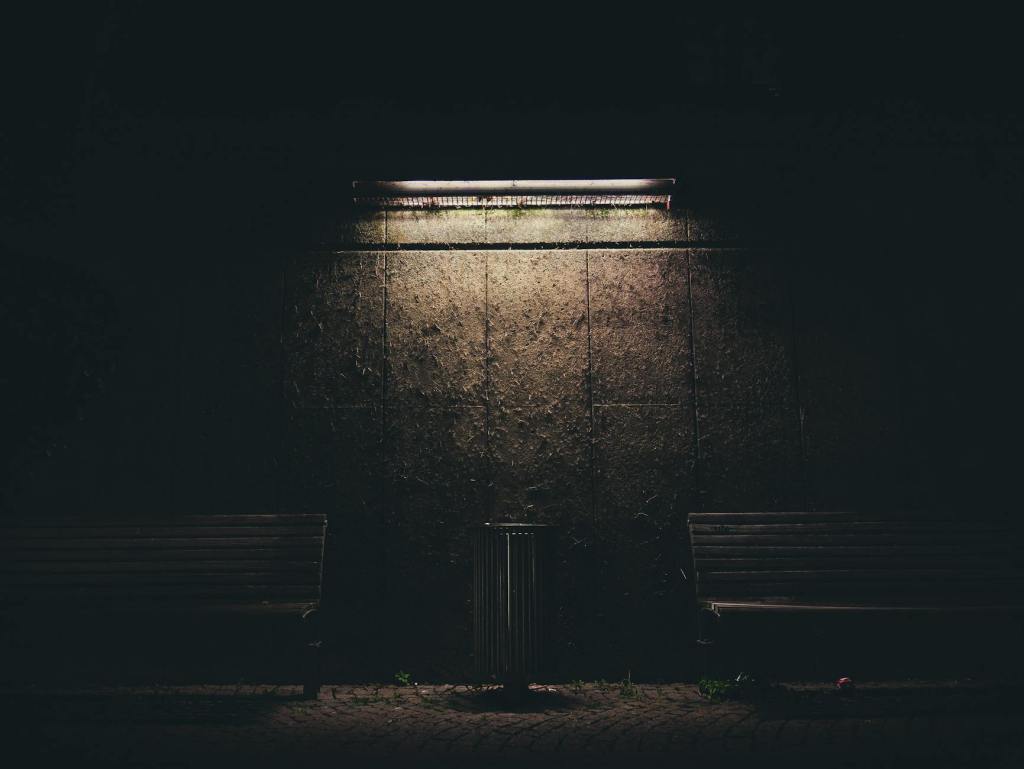
The kitchen was always hungry.
It swallowed sound, let knives chatter against wooden boards like teeth, and breathed out thick, humid air scented with cumin, vinegar, and the slow decay of things left too long on the counter. Even when empty, it was full—of steam, smoke, and the weight of words never spoken.
of words never spoken.
This was where my grandmother ruled. Sleeves rolled to her elbows, hands buried wrist-deep in the dough as if she could mould the world into something softer, something that would not break so easily. She would press her thumb into its center, leaving an indent—proof that she had been here, that her hands had shaped something, that the past had not swallowed her whole. But the kitchen did not belong to her. Not entirely.
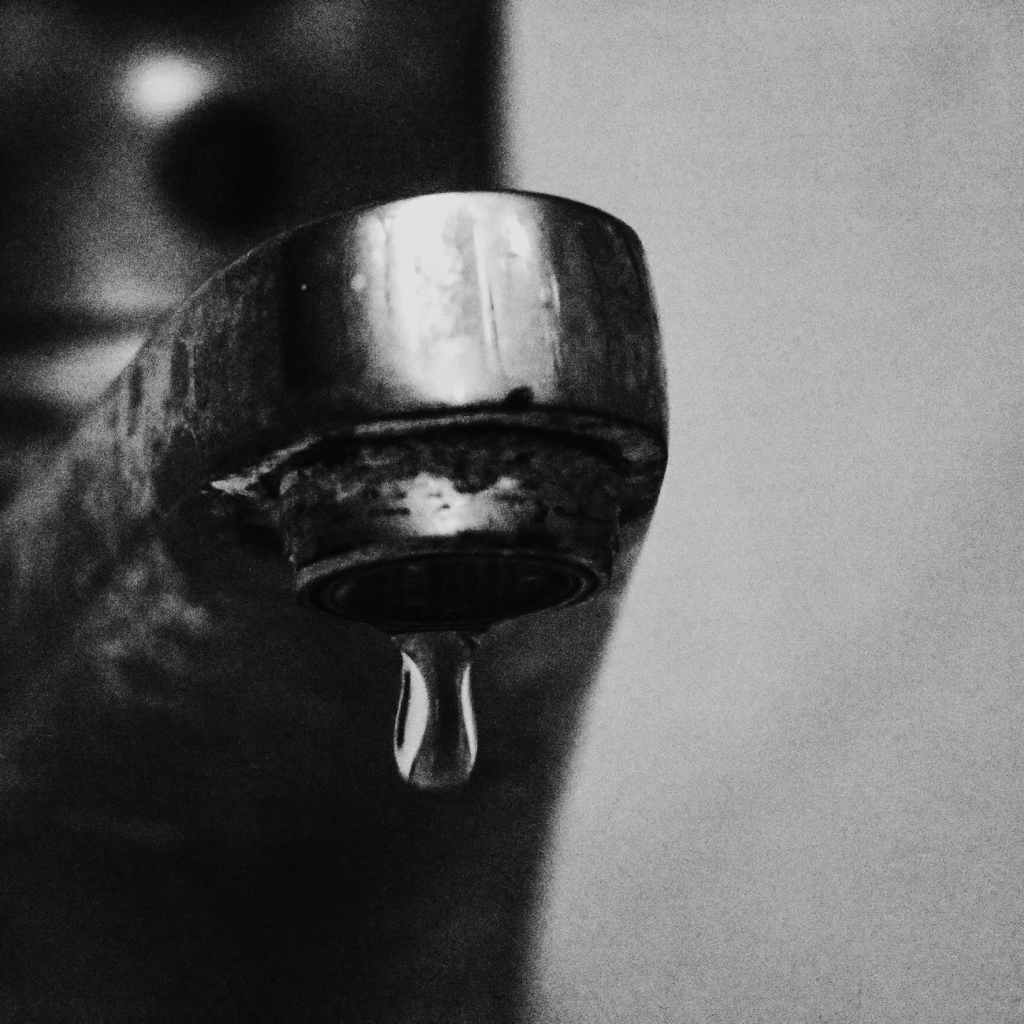
There was something else there, something old, something patient. It waited in the stillness between sentences, in the faucet’s slow drip, and the way the floor creaked when no one was standing. It made itself known in the curling of milk left too long in the glass, in the metallic tang of a bitten tongue. She never spoke of what was left behind. Not properly. But when she told stories, they came wrapped in recipes, hidden between instructions.
“Did I ever tell you,” she said once, fingers dusted in flour, “how we carried only what we could fit in our arms?”
She meant it literally, but my mind filled in the gaps, conjured the things that could not be carried: the weight of a father’s voice, a child’s laughter pressed like a wilted flower between the pages of a book too heavy to bring, the sound of a door closing, not knowing if it would ever open again. Instead, they carried sugar. They had bread, dates, almonds—things that could last and fool the body into thinking it was safe.
But my grandmother never taught me how to leave properly.
She taught me how to gut a fish without flinching, how to slit its belly and pull out the insides in one clean motion. She showed me how to break dough with my fists, press air from its center until it stopped rising, and drown bitterness in salt.
But not how to leave.
Not how to cut clean.
Maybe it’s because she never learned either.
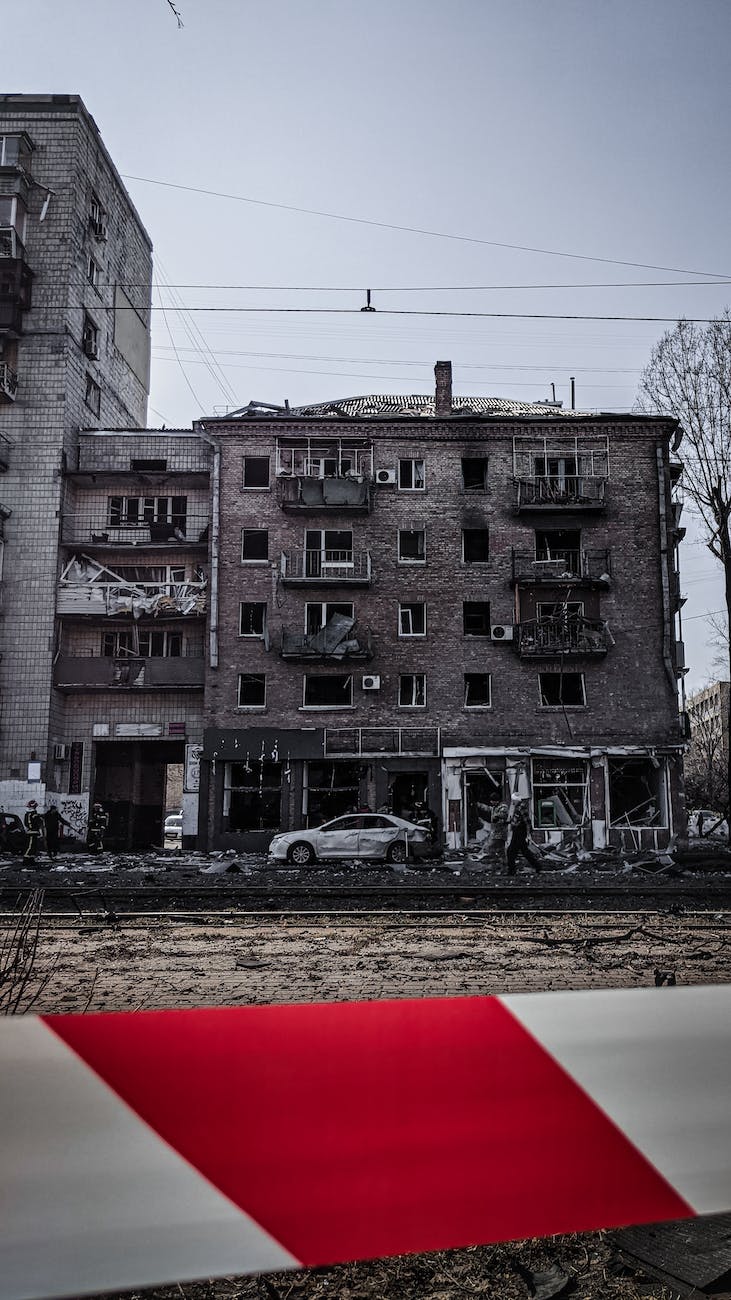
The day they left, the kitchen swallowed them whole. The walls swelled, held their breath, absorbed the ruin of it—the unmade beds, the broken-latch suitcases, the chairs scraped back from the table too quickly, never pushed in. The scent of boiling chickpeas, abandoned mid-simmer, thickened into something rancid. The oil in the pan cooled and congealed, forming a skin. The bread left on the table hardened into something inedible, closer to the bone.
The hunger was not just a feeling; it was an inheritance.
Now, in my own kitchen, I hear it too—that thing that does not fade. It hums in the stove’s low-burning fire, watches from the dark mouth of the oven, and waits in the reflection of my grandmother’s copper pot, dented and bruised from a journey it never agreed to take.
I try to cook the way she did. I try to listen the way she never could.
But the kitchen has teeth.
And some hungers are never meant to be fed.


Posts

![The Thing in the Walls [DRAFT]](https://anxiousthoughtsdotblog.com/wp-content/uploads/2023/08/pexels-photo-696407.jpeg?w=1024)




















 Anxious Thoughts
Leave a comment