The ticket found her on an afternoon so unremarkable it felt like an insult to the extraordinary. In the souk, where dust coated everything—fruits, faces, and the half-formed sentences that drifted through the air—it lay buried among the detritus of cracked compasses and rusted knives. Amara had been wandering, untethered, her steps guided by a vague impulse to avoid. Avoid the sharp edge of emails, the suffocating weight of deadlines, and the hollow resonance of her voice bouncing off the walls of an empty apartment. The sprawling and chaotic market offered a kind of solace in its tumult, a refuge in its dissonance—a chaos older than memory can comprehend.
The man who sold her the ticket was thin and wiry, his face a topography of creases, as though his skin had been folded too many times and no longer smoothed. His eyes were sharp, almost invasive, but his hands were careful when he reached under the table and produced a slip of paper. It wasn’t new. It wasn’t anything. A dog-eared rectangle, its edges worn soft, its surface covered in symbols Amara didn’t recognize.
“This is yours,” he said, sliding it toward her.
She didn’t ask what it was. She didn’t ask why he thought it belonged to her. That would have been like asking why the sun rose east or why grief lingered longer than love—it invited explanations she didn’t want to hear. Instead, she touched it, and it felt heavier than the paper had any right to feel.
“How much?” she asked, already half-resigned to the strangeness.
“For you?” The man smiled in a way that didn’t feel kind.
“Nothing. But it’ll cost you later.”
And then he was gone. No farewell, no explanation, just the scent of spice and sweat hanging in his place.
____
The ticket didn’t reveal its magic immediately. It lived in her pocket for days, its weight pressing into her thigh like a bruise. She didn’t examine it closely. She avoided it, the way she avoided so much these days and told herself it was a ridiculous souvenir she would throw away when she cleaned her purse. But it began to haunt her—not in her dreams, but in how her thoughts snagged on it during moments of stillness. There was something alive in the ink, something she didn’t trust.
Finally, after a particularly long night of wine and inertia, she took it out. Beneath the faint light of her bedside lamp, the symbols shimmered—not visibly, not in the way light shifts on water, but in the way language hums when it’s about to mean something.
Written below the symbols, faint but legible, was a single line:
Where the heart dares, the world follows.
She snorted. Hallmark, she thought. It seemed absurd to her that something so cryptic and ancient-looking would carry the wisdom of a mass-market greeting card. But as she lay there, the ticket balanced on her palm, her mind wandered—hesitantly at first, then with the kind of abandon that only exhaustion allows. She thought of the maps she’d pinned to her childhood walls, places she had planned to visit before she began preparing for lesser things. She thought of cities breathed by strangers in hostel kitchens, lavender fields she’d once seen on a calendar, and a house by the sea that had lived in her mother’s voice long after her body was gone.
She thought of a place she wanted, and the ticket grew warm. The air around her shifted. The room dissolved—not in some cinematic unravelling, but in how a thought erases itself the moment it ceases to matter. When she opened her eyes, the lavender fields stretched before her.
____
The ticket obeyed no logic but its own. She tried to read its symbols and decipher its power’s exact mechanics, but it wasn’t meant for comprehension. It was meant for movement. With it, Amara leapt from place to place, a fugitive of her monotony. Kyoto’s bamboo forests. The cliffs of Moher. A Moroccan medina, its colours so bright they felt like an assault. Every destination unfolded as though waiting for her, as though knowing her better than she knew herself.
But the journeys weren’t escapes. They were confrontations. In Provence, the scent of lavender dredged up the memory of her mother brushing her hair and humming a song Amara had forgotten she knew. In Ireland, the wind flattened her against herself, stripping away pretense until she could feel the raw fear that had kept her from loving fully, leaving entirely. In Marrakesh, the press of bodies in narrow alleys mirrored the crowding of her mind, the suffocating crush of years spent chasing things she didn’t need.
It wasn’t the destinations that mattered. It was what they bore away.
____
One day, the ticket betrayed her—or perhaps she betrayed it. She thought of home, though she didn’t mean to. She thought of the house where her mother had grown ill, where the walls still held her scent even after years of silence. She thought of the bedroom where she had packed her bags one last time, where she had told herself she was leaving for good. The ticket obeyed.
She arrived on the shore of her childhood, the salt wind biting her cheeks like an old rival. The house stood skeletal against the horizon, its paint peeling like old skin. Inside, the rooms were smaller than she remembered, the ceilings lower, the light dimmer. In her mother’s room, the air still carried traces of lavender, faint but insistent, as though her absence had refused to settle. Amara sat on the bed for a long time until sunset, and the house became a shadow. The ticket waited, but it didn’t glow. It didn’t hum. It didn’t suggest the next place. It left her there, alone with her ghosts.
____
When she returned to the market weeks later, the vendor was waiting. His face was the same, but his eyes had softened as though he already knew what she would say.
“I’m done,” she said, placing the ticket on the table.
He raised an eyebrow. “Are you sure? There’s nowhere else?”
Amara hesitated. The urge was there, that restless ache to move again, to feel the weightlessness of being unbound. But she shook her head.
“It wasn’t the places,” she said finally. “It was the leaving.”
The vendor smiled, small and sad. “It always is.”
With that, the ticket disappeared into his hands. Amara turned and walked back into the city, the air heavy with its familiar smells, her weight finally her own to carry.
-
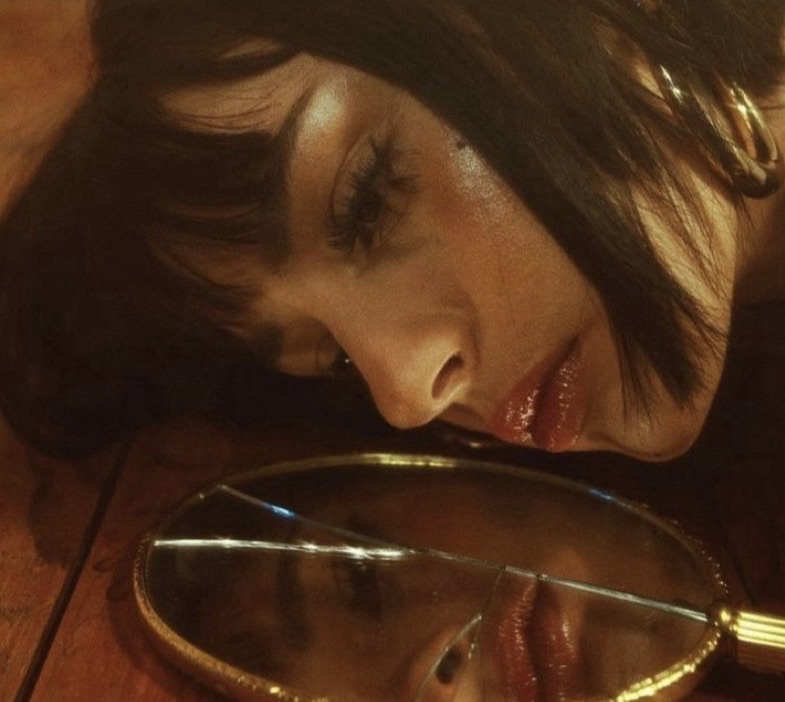
The Animal with My Face
[A literary, modernist-inspired psychological gothic vignette with feminist and speculative undertones.] It began in silence. Not the sort that follows noise, but the kind that has always been there and waits to be noticed. The room held it carefully. Between the clock’s measured tick and the slight movement of the sheets, something remained untouched. It…
-
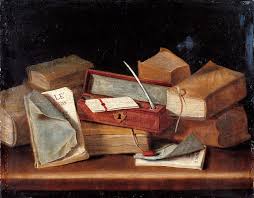
Alberta’s Book Ban: A Dystopian Reality
They say words have power; in Alberta this fall, they are also being held accountable. The weight of this power is evident as classics such as 1984, The Handmaid’s Tale, and Brave New World have been marched off the shelves—not with a bang, but with the muted bureaucracy of a book-ban policy that swept through…
-
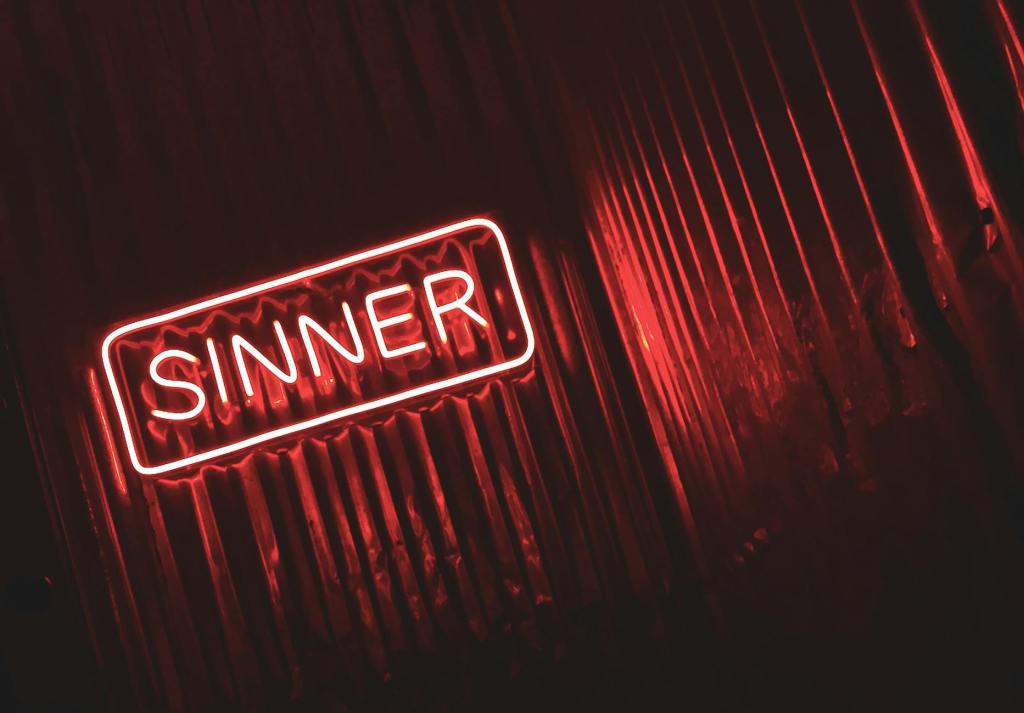
Decoding “Sinners:” A Vampire Film with Cultural Depth
When Ryan Coogler’s Sinners hit theatres this spring, I expected style, atmosphere, and a dose of supernatural dread. What I didn’t expect was a politically charged, allegorical horror epic that tackles cultural appropriation, the cycles of colonization, and the politics of assimilation—all set to the raw pulse of 1930s juke joint blues. This film doesn’t…
Contact Me!
Thank you for your response. ✨

 Anxious Thoughts
Leave a comment