
The rise of anti-immigrant sentiment in Canada is an alarming and profoundly worrying phenomenon. I was a Syrian refugee who experienced displacement firsthand. I recognize the familiar and pernicious rhetoric that underlies these attacks. The refrains are distressingly consistent:
“They are taking our jobs.”
“They are overpopulating our country.”
“They should be deported.”
Such statements echo the hostility that refugees and immigrants face in every place they seek refuge. This hostility, though, is particularly troubling in a nation that prides itself on diversity and multiculturalism.
A fundamental question arises: How can settlers in Canada, themselves the descendants of colonizers, lay claim to this land? How can they assert ownership over it? The discontent expressed by some Lebanese citizens during the Syrian crisis was, to some extent, understandable. This is given the country’s limited resources and political instability. Yet, the entitlement displayed by confident Canadians is paradoxical and historically ignorant. This land was initially taken from Indigenous peoples. This fact complicates any claims to ownership by those who now regard themselves as the arbiters of who belongs.
The situation is profoundly depressing. War and displacement bring about a pervasive and enduring sadness that permeates every aspect of life. As refugees, we are never genuinely welcome anywhere. We are often perceived as perpetual outsiders. We are easy targets for prejudice and xenophobia. It happens no matter how diligently we strive to integrate and contribute to our new communities.
In the context of seeking asylum, refugees are often compelled to commodify their pain and suffering. This process is both dehumanizing and morally problematic. The plight of refugees becomes a twisted competition of narratives. The most tragic stories are rewarded with greater sympathy and assistance. A single mother with a disabled child is deemed more deserving of help. This is compared to a family unit with both parents and an elderly grandmother. In this process, human pain and suffering are quantified. They are ranked and evaluated by those who have not lived through such experiences.
My journey to Canada involved precisely this kind of commodification. I had to show my pain to an immigration officer, who clinically assessed my suffering, instructing me to wait my turn to speak, as though my trauma be compartmentalized and neatly categorized. It became clear that I was only welcome in Canada as long as I conformed to the image of the “helpless, grateful refugee” that the dominant narrative had constructed.
This narrative often involves reductive and patronizing stereotypes, such as the notion of the “little refugee girl who has never seen a book in her life.” Such depictions reinforce a saviour complex among those who believe they are benevolently rescuing the oppressed. However, the moment a refugee asserts their agency or attempt to reclaim their dignity and humanity, they are no longer helpful to this narrative and are often met with hostility. This shift in perception reveals the fragility of the so-called “white saviour” agenda, which is contingent upon the subservience and helplessness of those it purports to aid.
Being a refugee entails a perpetual state of mourning—mourning the life that was left behind, the dreams that were abandoned, and the future that was irrevocably altered. The refugee experience is not one of choice but of necessity. In my case, I was forced to flee my home not once but twice. In 2015, faced with the prospect of remaining in a war-torn country or seeking asylum elsewhere, I had two options: surrender to despair or fight for survival.
Choosing survival, however, has not spared me from persecution. The very act of seeking refuge has rendered me a target for further discrimination and hostility. The refugee experience is an unending cycle of pain, where even the basic instinct to survive is scrutinized and judged.
I recall vividly an encounter with an immigration officer, to whom I explained that I did not know whether my father had survived his journey to Sweden. His response was chilling: “Well, I guess that’s good. Single mother families are more favourable.” This callous remark underscores the systemic dehumanization inherent in the asylum process, where lives are reduced to variables in an equation of worthiness.
The reality of being a refugee is far from the romanticized notion of being “saved” by a benevolent nation. It involves selling one’s pain, counting one’s losses, being subjected to the cold, and calculating the judgment of those who hold the power to grant or deny refuge. I was only 16 when I was forced to recount the traumatic events of my displacement. Suppose one can’t understand why a 16-year-old should not be compelled to relive such experiences for the sake of bureaucratic procedures. In that case, one must question the presence of basic human empathy in these processes.
It is essential to recognize that the suffering of refugees is not a mere checkbox on an immigration form or a statistic to be analyzed. Our experiences are complex, our pain is clear, and our resilience is profound. Despite the prejudice and xenophobia that we face, we are survivors. We carry the weight of our stories, losses, and enduring strength. No amount of discrimination or hatred can strip us of our humanity.
In conclusion, the anti-immigrant sentiment that pervades Canadian society, particularly on platforms like Twitter, is not only troubling but also indicative of a deeper issue—one that reflects a profound misunderstanding of history, identity, and the refugee experience. As a nation that was built on the displacement of Indigenous peoples, Canada must confront these contradictions and work toward a more inclusive and empathetic understanding of what it means to offer refuge to those in need. The stories of refugees are not simply tales of woe; they are testimonies of resilience, survival, and the unyielding human spirit.


Blog
Welcome to a world of limitless possibilities, where the journey is as exhilarating as the destination, and where every moment is an opportunity to make your mark on the canvas of existence. The only limit is the extent of your imagination.
-
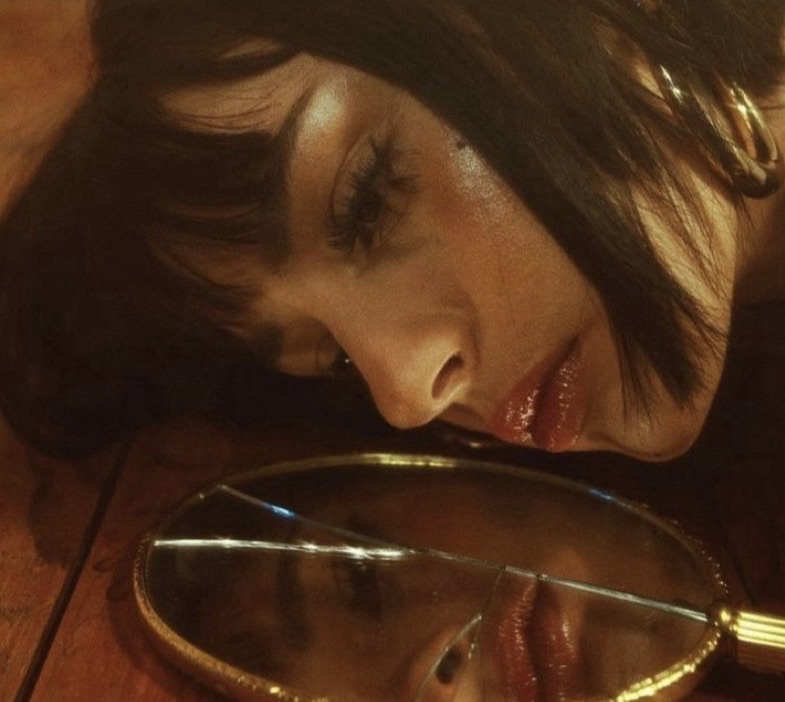
[A literary, modernist-inspired psychological gothic vignette with feminist and speculative undertones.] It began in silence. Not the sort that follows noise, but the kind that has always been there and waits to be noticed. The room held it carefully. Between the clock’s measured tick and the slight movement of the sheets, something remained untouched. It…
-

They say words have power; in Alberta this fall, they are also being held accountable. The weight of this power is evident as classics such as 1984, The Handmaid’s Tale, and Brave New World have been marched off the shelves—not with a bang, but with the muted bureaucracy of a book-ban policy that swept through…
-
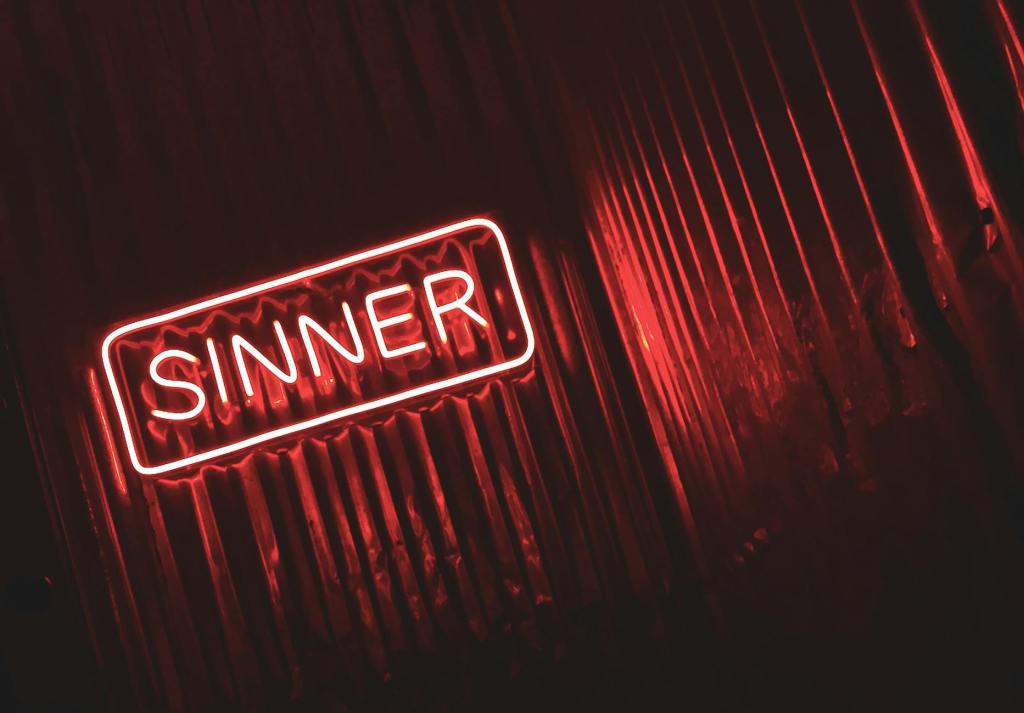
When Ryan Coogler’s Sinners hit theatres this spring, I expected style, atmosphere, and a dose of supernatural dread. What I didn’t expect was a politically charged, allegorical horror epic that tackles cultural appropriation, the cycles of colonization, and the politics of assimilation—all set to the raw pulse of 1930s juke joint blues. This film doesn’t…
Contact us
Thank you for your response. ✨


 Anxious Thoughts
Leave a comment