
Introduction
Graduating with a degree in English Literature is often met with raised eyebrows and the inevitable question: “What will you do with that?”
But when you’re a refugee, the journey to this “useless” major is paved with even more complex emotions—feelings that intertwine your past, present, and family expectations. This is my story, and perhaps it echoes the sentiments of many who have chosen a path less celebrated but no less meaningful.
The Weight of Choosing the “Wrong” Major
Coming from a background where survival, stability, and practicality are paramount, the decision to pursue English Literature felt almost rebellious. My parents had fled a country torn apart by conflict, and here I was, nestled in the safety they had sacrificed so much for, choosing to study literature—a subject they could hardly relate to. It wasn’t engineering, it wasn’t medicine, and it wasn’t law. It was stories, words, and theories. For them, it was impractical at best and, at worst, a gateway to an uncertain future.
I felt their disappointment, a weight that pressed down on me with every semester. The unspoken question hung in the air: Why didn’t you choose something more secure?
Yet, despite their worries, I knew deep down they were proud. They were proud that I had the opportunity to pursue higher education—an opportunity they hadn’t had. I was proud that I was fluent in a language that wasn’t my mother tongue. I was proud that I could engage with ideas and cultures far removed from the world they knew. But that pride was often overshadowed by their fear of what would come next.
The Stigma of “Mediocrity”
Being an English Literature graduate comes with its own set of challenges. Achievements that should feel monumental—like getting published or landing a content writing job—are often viewed as “mediocre” in the eyes of those who don’t understand the field. It’s easy to feel overshadowed by peers who chose more traditionally “successful” paths. They have precise career trajectories while I navigate a world where my passion is often deemed a hobby rather than a profession.
The feeling of inadequacy creeps in when you realize your success isn’t easily quantifiable. There are no high salaries to flaunt, no prestigious titles to claim. But there is something profoundly beautiful about pursuing a passion that resonates with your soul, even when others don’t see its value. English Literature isn’t just about reading books; it’s about understanding the human experience, and that, I’ve come to realize, is invaluable.
The Struggle for Balancing Two Worlds
As a refugee, I’ve always felt caught between two worlds—the one I left behind and the one I’m trying to build. This duality extends to my academic and professional life. I constantly struggle to reconcile my parents’ expectations with my dreams. I want to honour their sacrifices and forge my path, even if they can’t fully understand.
A unique isolation comes with being an English major in this context. My classmates quickly discuss themes and narratives, while I can’t help but feel the weight of my history in every text we study. I see my family’s struggles mirrored in stories of displacement and loss, but I also see hope and resilience. It’s a reminder that while my major may seem “useless” to some, it has given me the tools to process my own experiences and articulate the complexities of my identity.
Conclusion: Embracing the Power of Words
Choosing English Literature was not a mistake. It was a deliberate choice to embrace a field that allows me to tell my story and the stories of those like me. It was a choice to explore the power of words—how they can heal, connect, and transform. My achievements may not fit neatly into society’s boxes, but they are mine and are enough.
So, to anyone who questions the value of an English Literature degree, especially as a refugee, I say this: Our stories matter. Our voices matter. And in a world that so often tries to silence us, studying literature is an act of defiance and hope. It’s a way to ensure that our experiences are not just footnotes in history but powerful narratives that demand to be heard.
This journey isn’t easy, and the road ahead may be uncertain. But I know that with every word I write, I honour my past, embracing my present and shaping my future—one story at a time.
Blog
Welcome to a world of limitless possibilities, where the journey is as exhilarating as the destination, and where every moment is an opportunity to make your mark on the canvas of existence. The only limit is the extent of your imagination.
-
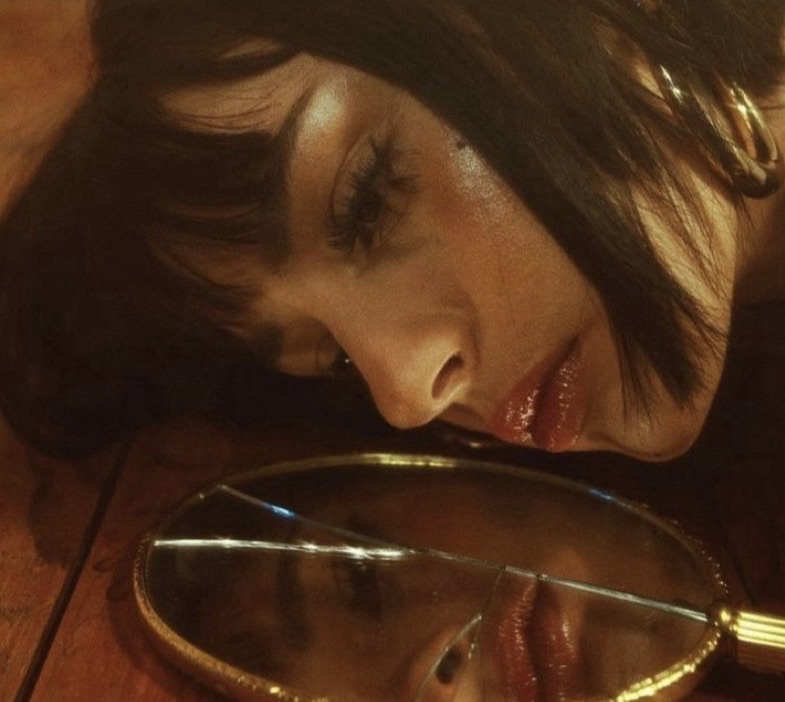
[A literary, modernist-inspired psychological gothic vignette with feminist and speculative undertones.] It began in silence. Not the sort that follows noise, but the kind that has always been there and waits to be noticed. The room held it carefully. Between the clock’s measured tick and the slight movement of the sheets, something remained untouched. It…
-
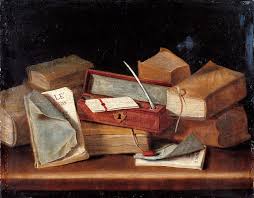
They say words have power; in Alberta this fall, they are also being held accountable. The weight of this power is evident as classics such as 1984, The Handmaid’s Tale, and Brave New World have been marched off the shelves—not with a bang, but with the muted bureaucracy of a book-ban policy that swept through…
-
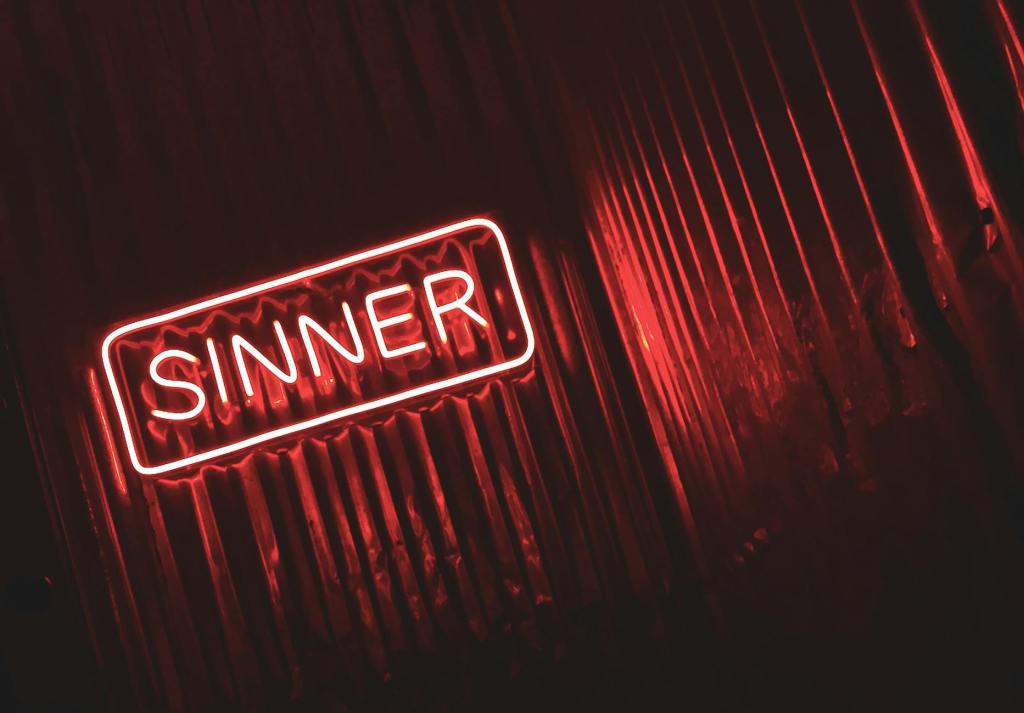
When Ryan Coogler’s Sinners hit theatres this spring, I expected style, atmosphere, and a dose of supernatural dread. What I didn’t expect was a politically charged, allegorical horror epic that tackles cultural appropriation, the cycles of colonization, and the politics of assimilation—all set to the raw pulse of 1930s juke joint blues. This film doesn’t…


2 responses to “Navigating Two Worlds: The English Literature Story”
-
I hear your conundrum; I too suffer from a ‘title’ that doesn’t pay the mortgage…Beowulf, Dante’s Inferno, Canterbury Tales are thrilling but so are the memes, video games and Harry Potter of today. But my friend what we were exposed to with those manuscripts were more than just English language. We learned Latin, Greek Myth (Bullfinch) life and death, love and hate, malice and violence. Dee Tezelli, Author of 25+ eBook and Paperbacks on Amazon Books. Do order a paperback for sample: Meet Me in Bisbee…..or Picketpost Mountain Affair
-
I completely agree with you! This degree has introduced me to a world of history and culture. Thank you for reading!
LikeLike
-


 Anxious Thoughts
Leave a comment