
A Review of Hamed Sinno’s Performance on August 1st, 2024
Hamed Sinno’s show on August 1st at Joe’s Pub was nothing short of a modern masterpiece. “Poems of Consumption” is a groundbreaking song cycle. It artfully intertwines poetry sourced from Amazon customer reviews. It also includes the profound insights of Mark Fisher’s “Capitalist Realism.” Sinno, a composer, writer, performer, and social justice advocate, masterfully delves into boredom, overconsumption, heartbreak, boycotts, and Orientalism themes.
The compositions juxtaposed the romanticism evoked by a string quartet. They joint it with the jarring hyper-pop electronica created from everyday sounds of consumerism—a pill bottle, a tube, paper, etc. This innovative musical tapestry challenged and mesmerized the audience.
Hamed Sinno, the front person for Mashrou Leila since 2008, has been a pivotal figure in discussions about representation. They have also contributed significantly to free speech and sexual liberty in the Middle East. Their extensive background includes a BFA from the Department of Architecture and Design at the American University of Beirut. They also have an MA in Digital Music from Dartmouth College. Their research into the vocal organ and digital vocality as sites of political negotiation further underscores their commitment to engaged practice in popular culture.
Reflecting on his journey in an interview with L’Orient-Le Jour, Sinno shared, “I felt like I was caught in a never-ending battle… fighting against the wind and constantly going backward.” The constant scrutiny and demonization led him to seek solace and new opportunities in North America, where Mashrou’ Leila already had an audience.
“Poems of Consumption” is a product of Sinno’s time at Dartmouth College, where he pursued a master’s in digital music. Mentored by American composer Ash Fure, Sinno developed a performance that challenges perceptions of consumerism through poetry derived from Amazon customer reviews. The compositions, created in collaboration with Andy Butler (Hercules and Love Affair), juxtapose the romanticism of a string quartet with hyper-pop electronica made from consumer sounds.
In the interview, Sinno revealed the personal struggles that influenced his work: “I started writing poetry inspired by random objects… that I’d ordered from Amazon, then published these verses in the website’s product reviews section. I found it both curious and interesting to raise the question of consumer alienation in a space that encourages just such behavior.” This approach reflects his ability to transform mundane consumer experiences into thought-provoking art.
Performing at London’s Barbican Centre in July 2023 marked a significant milestone in Sinno’s career. He described the experience as “the most gratifying and restorative moment of my life,” despite the immense pressure and sleepless nights leading up to the performance. The positive reception and standing ovation reinforced his belief in his art and its impact.
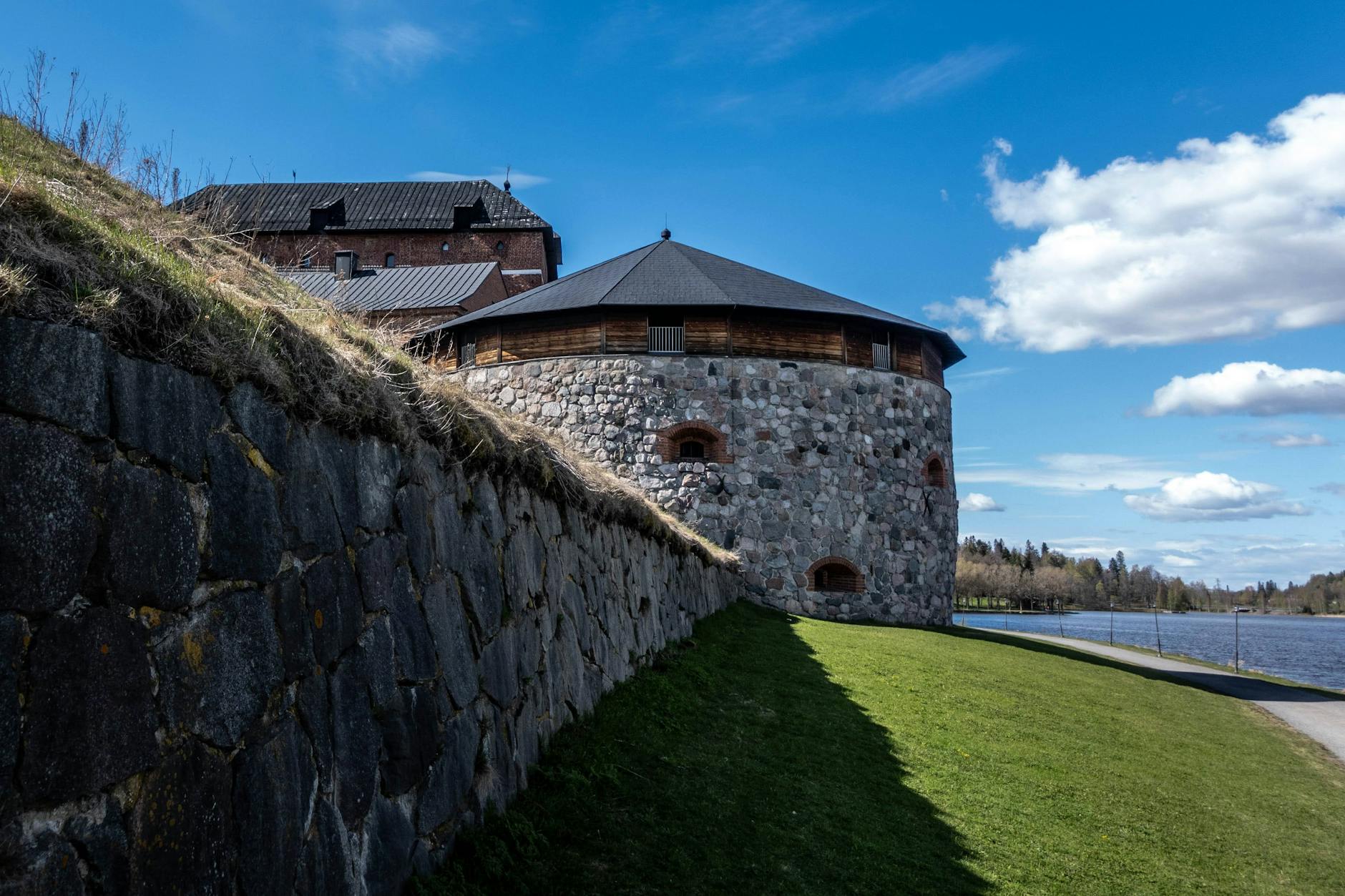
At the end of the performance on August 1st, Hamed Sinno seamlessly integrates the traditional Lebanese song “عندك بحريه يا ريّس” (Andak Bahriye Ya Reyes), a haunting ballad that asks, “Do you have any seamen, Captain?” This choice of song is deeply poignant, especially for those of us who have personal connections to the men and women who have embarked on perilous sea journeys in search of safety and a better life.
For me, the inclusion of this song strikes a particularly resonant chord. My father was one of those brave souls who fled the devastation of war by sea. The sea, often romanticized in literature and music, held a dual promise of hope and danger. My father’s journey was marked by desperation and a yearning for survival, a narrative that Sinno captures with raw authenticity.
Sinno’s performance of “عندك بحريه يا ريّس” goes beyond its melodic beauty to serve as a somber reminder of the countless refugees who, like my father, risked everything on the open waters. The song’s mournful melody and yearning lyrics evoke the perilous reality of these voyages—where the sea is not just a pathway to potential freedom but also a graveyard for dreams cut short.
By weaving this song into his modern masterpiece, Sinno not only pays homage to a traditional piece of Lebanese music but also uses it as a powerful narrative tool. It underscores the tragic fate of many refugees, drawing attention to their struggles and sacrifices. The integration of personal and collective histories in his work resonates deeply with those who have lived through these experiences or lost loved ones to the unforgiving sea.
Thus, the song “عندك بحريه يا ريّس” becomes a vessel of collective memory and sorrow. It transforms the performance into a memorial for those lost at sea, whose story of courage and loss is echoed in the haunting refrains of the music. Sinno’s art reminds us that behind every statistic of a lost refugee is a human life, a story, and a legacy of love and longing.
Through his masterful use of this song, Sinno bridges the gap between personal grief and collective awareness, offering a space for mourning and remembrance while urging us to reflect on the ongoing refugee crisis. For those of us with intimate ties to these narratives, his work is not only a tribute but also a call to honor and remember the sacrifices of our loved ones who ventured into the unknown, seeking a shore that too many never reached.
As Sinno continues pushing boundaries with their solo debut and upcoming projects, “Poems of Consumption” stands as a testament to their unparalleled talent and vision. This show was an unforgettable exploration of the overlaps of consumerism, mental illness, and environmental crisis, leaving the audience both disturbed and inspired.


 Anxious Thoughts
Leave a comment